Water Damage Frequently Asked Questions
How fast should I deal with water damage?
As fast as possible. Water spreads quickly and can soak into flooring, drywall, cabinets, and insulation before you even realize how bad it is. In Florida, mold can start growing in as little as 24–48 hours.
What usually causes water damage?
We see everything from broken pipes and roof leaks to overflowing toilets, appliance failures, AC leaks, and storm damage. Sometimes the damage is obvious, and other times it’s hidden behind walls or under flooring.
Can water damage be hidden?
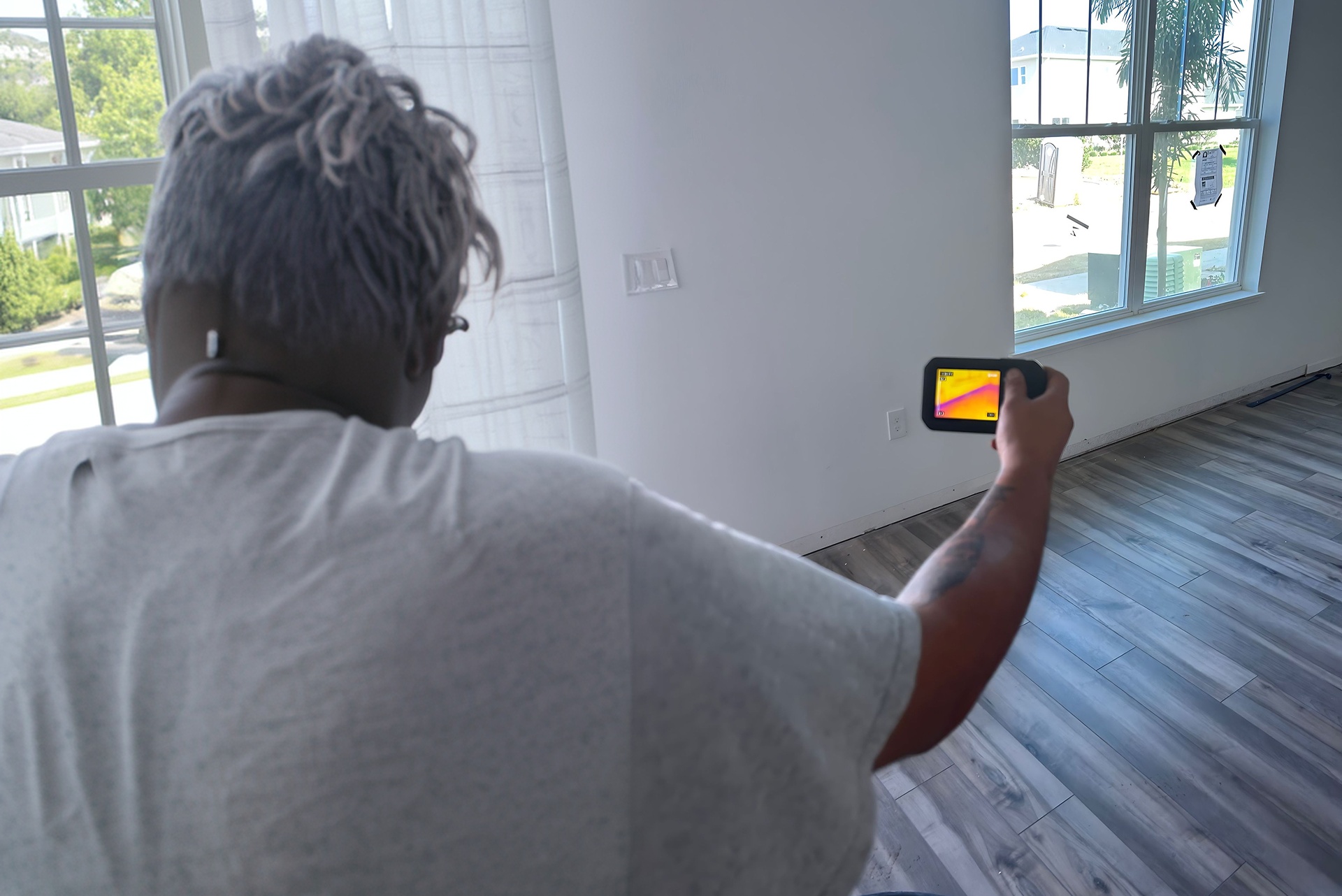
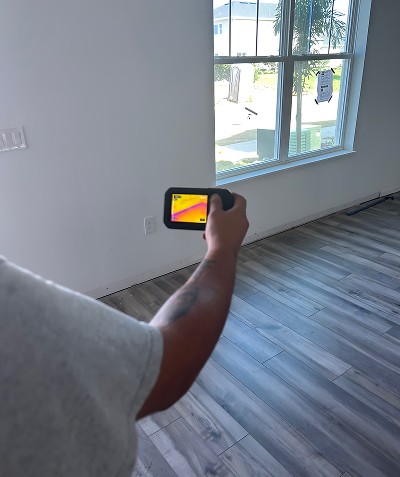
Absolutely. Just because a surface looks dry doesn’t mean the structure underneath is. That’s why we use moisture meters and thermal imaging to find moisture you can’t see.
How long does the drying process take?
Most homes take about 3–5 days to dry properly, but larger losses or high humidity can make the process take longer. Every situation is different.
Will my insurance cover water damage?
Many policies cover sudden water damage like pipe breaks or appliance leaks. Flooding and long-term leaks are often handled differently. We can help document the damage for your insurance claim.
Do I need to leave my house during drying?
Not always. Many homeowners stay in the property while equipment is running. If the damage is extensive or affects critical areas like kitchens or multiple rooms, temporary relocation may be recommended.
What happens if water damage is ignored?
Water damage doesn’t just “dry on its own.” It can lead to mold growth, warped floors, odors, damaged drywall, and even structural issues if left untreated.
Do you offer emergency service?
Yes. OCC911 provides 24/7 emergency water damage response throughout Central Florida. We treat your emergency with urgency!
Fire Damage Frequently Asked Questions
What should I do after a fire?
First, make sure everyone is safe and the fire department has cleared the property. After that, contact your insurance company and a professional restoration company as soon as possible.
Is smoke damage really that serious?
Yes. Smoke and soot can spread far beyond the area where the fire happened. Residue can stain surfaces, damage electronics, affect air quality, and leave behind strong odors.
Can the smoke smell actually be removed?
In most cases, yes. Professional deodorization equipment and cleaning methods can remove or greatly reduce smoke odors that household cleaners can’t handle.
Why do I need cleanup so quickly after a fire?
Soot is acidic and can continue damaging surfaces the longer it sits. Quick cleanup helps reduce permanent staining and corrosion.
Can furniture and personal belongings be saved?
Many items can be restored depending on the level of damage. We evaluate contents individually to determine what can be cleaned and recovered.
Does firefighting water cause additional damage?
A lot of times, yes. Water used to extinguish the fire can soak into flooring, walls, and contents, which is why fire losses often also require water mitigation and drying.
Will insurance cover fire damage restoration?
Most homeowners’ insurance policies cover fire and smoke damage, though coverage varies by policy. We work with homeowners throughout the claims process.
Do you provide emergency fire damage service?
Yes. OCC911 provides emergency response services for fire, smoke, and related water damage restoration. We treat your emergency with urgency!
Mold Remediation Frequently Asked Questions
How quickly can mold start growing?
In Florida’s humidity, mold can begin growing within 24–48 hours after water exposure. The longer moisture sits, the greater the chance mold will spread.
What are signs that I might have mold?
A musty smell is usually the first clue. You may also notice discoloration on walls or ceilings, peeling paint, allergy symptoms, or rooms that feel damp or humid.
Is mold always visible?
No. Some mold grows behind walls, under flooring, inside cabinets, or in attics and AC systems. We often find hidden mold during moisture inspections.
Can I clean mold myself?
Small surface spots may be manageable, but larger mold issues should be handled professionally. Disturbing mold improperly can spread spores throughout the home.
Why does mold keep coming back?
Usually because the moisture source was never fixed. If there’s still a leak, high humidity, or poor ventilation, mold will likely return.
Is mold dangerous?
Different types of mold affect people differently. Some people experience allergy symptoms, coughing, headaches, or respiratory irritation when exposed to mold.
What does mold remediation involve?
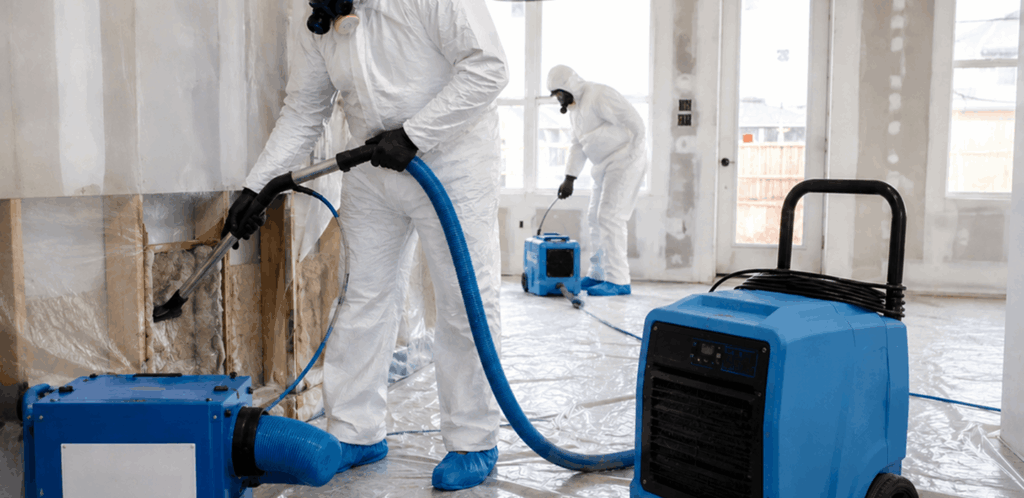
Depending on the situation, remediation may include containment barriers, air filtration, removal of affected materials, HEPA vacuuming, antimicrobial treatment, and moisture control.
How can I prevent mold in Florida?
Keeping indoor humidity under control is one of the biggest things. We recommend maintaining humidity around 45–55%, fixing leaks quickly, and making sure the home has proper ventilation.